Understanding the Renovation Process
Before diving into the ideal timing for cleaning, it’s essential to understand the renovation process itself. Renovations can vary significantly in scale and complexity, from minor cosmetic changes to extensive structural work. Each type of renovation will produce different types of waste, including dust, paint splatters, and construction debris. Furthermore, the materials used in renovations can impact the cleaning process. For example, renovations involving drywall will create a significant amount of fine dust that lingers in the air and settles on surfaces long after the work is done.
Timing your cleaning appropriately hinges on the type and extent of renovations undertaken. Generally, it is advisable to allow some time for the renovation to settle before commencing a deep clean. This waiting period can help reduce the amount of dust and debris that may still be airborne immediately following the completion of the work.
The Ideal Waiting Period
After a renovation project, it is recommended to wait at least 24 to 48 hours before scheduling a thorough cleaning. During this initial period, residual dust and particles continue to settle. If cleaning is performed too soon, you may find yourself having to repeat the process shortly after, which can be both time-consuming and frustrating. This waiting period allows for the fine dust to settle, ensuring that your cleaning efforts yield the best results.
In some cases, particularly with more extensive renovations that involve sanding, painting, or plastering, you may want to extend this waiting period to a week. This additional time allows for any lingering fumes from paint or varnishes to dissipate, making the space healthier and more pleasant to clean. Additionally, it is wise to ensure that the renovation work is entirely completed, including any touch-ups, to avoid reintroducing dust and debris into freshly cleaned areas.
Factors Influencing Cleaning Scheduling
Several factors can influence the scheduling of your post-renovation cleaning. Firstly, the time of year can play a significant role. For instance, during the warmer months, you may find that dust and debris settle more quickly due to increased airflow when windows are opened. Conversely, in colder months, homes tend to be sealed tighter, which can trap dust and fumes, necessitating a longer waiting period before cleaning.
Moreover, the type of renovation can dictate when to clean. For example, a bathroom renovation may require a different approach compared to a kitchen remodel. In the kitchen, you may have leftover food particles and grease that need immediate attention, while bathroom renovations may involve moisture and cleaning products that require thorough ventilation. Always consider the specific context of your renovation project when planning your cleaning schedule.
DIY Cleaning vs. Professional Cleaning Services
When it comes to post-renovation cleaning, homeowners often wrestle with the decision between tackling the task themselves or hiring professional cleaning services. Each option has its pros and cons, and the right choice depends on individual circumstances.
If you opt for a DIY approach, ensure that you are well-prepared with the necessary tools and cleaning supplies. Post-renovation cleaning typically involves a more aggressive cleaning regimen than regular house cleaning. You may need industrial-grade vacuums, specialised cleaning solutions, and protective gear to manage the dust and debris effectively. This method can be cost-effective, but it may require a substantial investment of time and effort, particularly if the renovation was extensive.
On the other hand, professional cleaning services bring expertise and experience, which can result in a more thorough and efficient clean. These professionals are well-equipped to handle the unique challenges posed by post-renovation environments. They know how to tackle stubborn dust, stains, and residues that you might overlook. While hiring a cleaning service may involve additional costs, the peace of mind and convenience they offer can be well worth the investment.
Essential Cleaning Tasks After Renovation
Regardless of whether you choose to clean yourself or hire professionals, certain essential cleaning tasks should not be overlooked. Start by dusting all surfaces, including walls, ceilings, and light fixtures, using a microfiber cloth or a vacuum with a dusting attachment. This step is crucial, as dust can cling to surfaces and become airborne, causing respiratory issues if left unchecked.
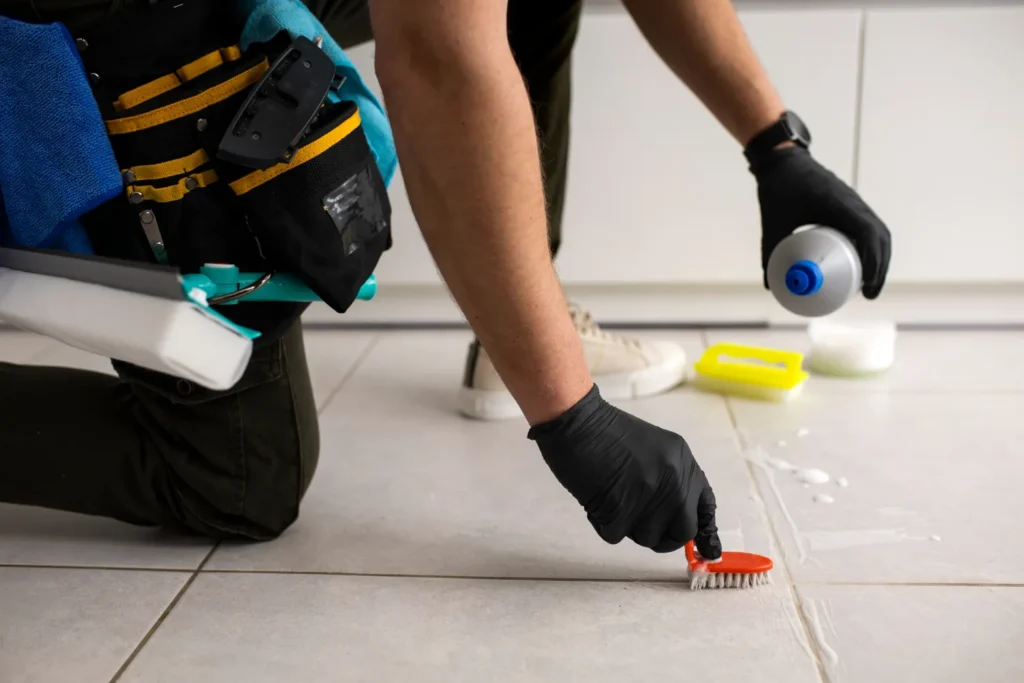
Next, focus on cleaning the floors. Depending on the type of flooring in your home, you may need to sweep, vacuum, or mop to remove any debris. Pay special attention to corners and crevices where dust tends to accumulate. Additionally, if your renovation involved painting, be sure to inspect for any paint splatters on the floors and remove them carefully to avoid damage.
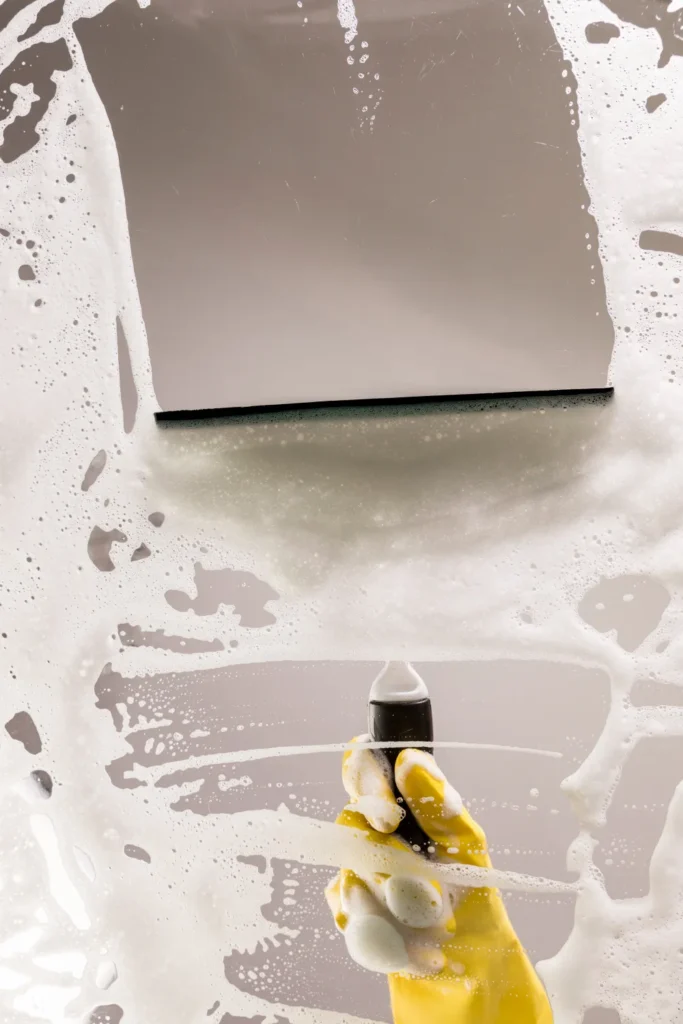
Windows and window sills should also be thoroughly cleaned, as they often collect dust and residues from the renovation process. Use a suitable glass cleaner and a lint-free cloth to achieve a streak-free finish. Finally, don’t forget to clean any HVAC vents or filters, as renovations can stir up dust that may settle in these areas, affecting your indoor air quality.
Maintaining a Clean Home Post-Renovation
Once the initial post-renovation cleaning is complete, it is essential to establish a routine to maintain cleanliness in your newly renovated space. Regular dusting, vacuuming, and deep cleaning will help keep your home looking its best and minimise the long-term impact of dust and debris. Consider scheduling seasonal deep cleans to ensure that your home remains a healthy environment.
Additionally, implementing preventative measures can help reduce dust accumulation. Regularly cleaning and changing HVAC filters, using doormats, and encouraging a no-shoes policy indoors can significantly lessen the amount of dirt and dust that enters your home.
CLEANING 4 U CAMBRIDGE
Need help with cleaning?
Check out our commercial and home cleaning services. Choose professionals and choose quality!