
-
- Why Post-Renovation Cleaning Is Different From Regular Cleaning
- The Right Time to Start Cleaning
- Tools and Supplies You’ll Need
- A Step-by-Step Approach to Post-Renovation Cleaning
- Don’t Forget the Hidden Spots
- Disposal of Construction Waste
- Professional Cleaning vs DIY
- Maintaining Cleanliness After Renovation
- Creating a Fresh Start
A major renovation can transform any space, breathing new life into tired interiors or expanding living areas to better suit your lifestyle. However, once the construction team has packed up their tools and the dust has settled, quite literally, there’s one crucial stage remaining before you can fully enjoy your newly upgraded property: post-renovation cleaning.
Unlike standard housework, cleaning after a major renovation is a demanding, detail-oriented process. It requires time, the right tools, and a methodical approach to ensure that every surface, crevice and hidden corner is free from debris, dust and construction residue. In this article, we’ll explore what post-renovation cleaning involves, why it’s so important, and how to approach it effectively, whether you choose to do it yourself or hire professionals.
Why Post-Renovation Cleaning Is Different From Regular Cleaning
Post-renovation cleaning is more intensive than everyday cleaning because of the type and scale of dirt left behind. Construction dust is incredibly fine and pervasive. It settles on every surface, finds its way into vents, light fixtures, under floorboards and even inside drawers that may have been closed during the renovation. Additionally, builders may leave behind materials such as plaster, adhesive, silicone residue, paint splatters, or even nails and screws.
Furthermore, many building materials can release chemicals and volatile organic compounds (VOCs) that affect indoor air quality. Without thorough cleaning and proper ventilation, these particles can linger long after the builders have gone. That’s why cleaning after renovation work is a necessary step not just for hygiene and appearance, but for your health and safety as well.
The Right Time to Start Cleaning
Before diving into the cleaning process, timing is key. It’s essential to wait until all construction and decorating work is fully completed. Attempting to clean while tradespeople are still working is often counterproductive, as fresh dust and debris will continue to accumulate. Ensure that all painting, grouting, tiling, and electrical work is done, and that there are no further deliveries or installations scheduled.
Once the area is clear of tools and equipment, the actual post-construction cleaning can begin. Start by airing out the property to reduce any lingering odours from paint, sealants or adhesives. Open windows and doors to allow natural ventilation, which helps improve air quality and speed up the drying of any moisture introduced during cleaning.
Tools and Supplies You’ll Need
To successfully clean after a major renovation, standard household supplies might not be enough. The job often requires industrial-strength cleaning agents, powerful vacuums (preferably with HEPA filters), and a range of microfibre cloths, mops and scrapers.
A HEPA-filter vacuum is especially important because it captures the fine construction dust that can trigger allergies or respiratory issues. Standard vacuum filters often let such particles pass back into the air, undoing your hard work. Other essential tools include extendable dusters for reaching ceiling corners, degreasers for removing construction grime, and protective gear such as gloves and masks.
A Step-by-Step Approach to Post-Renovation Cleaning
Cleaning after a renovation should follow a logical sequence, starting from the top of each room and working your way down. This approach ensures that dust and debris don’t settle on areas you’ve already cleaned.
Start with the ceilings, light fittings and ceiling fans. These often collect a surprising amount of dust during construction, especially if sanding or drilling has been involved. Use a dry microfibre duster or a damp cloth depending on the material. Be gentle around light fixtures and check for any leftover packaging or protective coverings.
Next, focus on the walls, window frames and skirting boards. Dust can cling to painted surfaces, especially matte finishes, so it’s best to use a dry or slightly damp cloth to avoid damaging the paint. For tiled walls, particularly in bathrooms and kitchens, a mild detergent or vinegar solution will help remove dust and grout residue.
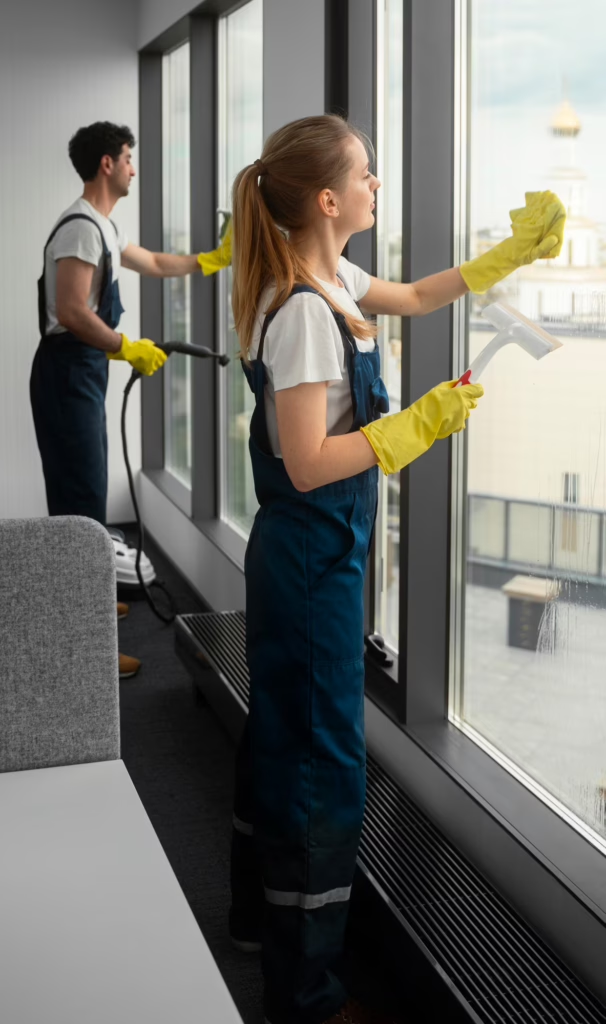
Windows and glass surfaces require special attention. Dust tends to settle in the tracks and hinges of windows and doors. Use a vacuum nozzle or small brush to dislodge particles, then clean the glass with a streak-free cleaner. Mirrors, glass cabinets, and shower screens should also be cleaned thoroughly.
Floors are the final step and often the most time-consuming. Depending on the material, whether wood, tile, laminate or carpet, you may need to sweep, vacuum and mop multiple times. Construction dust has a tendency to settle in layers, so it’s not uncommon to clean a surface and find dust reappearing a few hours later. Be patient and allow time between rounds of cleaning to ensure the best results.
Don’t Forget the Hidden Spots
One of the key challenges in cleaning after building work is remembering all the places where dust hides. Behind radiators, inside cupboards, beneath appliances and along door frames are all areas that attract debris. Drawers and cabinets that may have remained closed can still contain fine dust, it seeps through the smallest gaps.
Vents and air ducts can also become clogged with dust. If your property has a ventilation or air conditioning system, consider having it professionally cleaned to avoid spreading allergens throughout your home once it’s switched on.
Another frequently overlooked area is the plumbing fixtures. New sinks, taps or showers often have a layer of dust or residue left over from installation. Cleaning these areas with non-abrasive solutions helps avoid scratching delicate surfaces.
Disposal of Construction Waste
Cleaning after a renovation isn’t just about dust, it also involves the proper disposal of leftover materials. You may find offcuts of wood, tile, empty paint tins or cardboard packaging that need to be removed. Some of these items can go in general waste, but others must be recycled or taken to a local waste disposal facility.
Ensure that any hazardous materials, such as solvents or adhesives, are disposed of according to local regulations. Failing to do so can not only harm the environment but may also lead to fines.
Professional Cleaning vs DIY
Depending on the scale of the renovation, you may be wondering whether to tackle the cleaning yourself or hire professionals. While smaller projects such as redecorating a single room can usually be handled by the homeowner, larger renovations often require professional attention.
Hiring a post-construction cleaning service can save time and ensure that every detail is addressed. These companies are equipped with the right tools and expertise to handle stubborn dust, residue, and even paint splatters without damaging new finishes. They also follow health and safety standards, which is particularly important if you’ve had significant structural work done.
However, if you decide to clean on your own, make sure to break the task into manageable sections and allow plenty of time, rushing the process can lead to missed spots and unsatisfactory results.
Maintaining Cleanliness After Renovation
Once the initial clean-up is complete, maintaining cleanliness becomes much easier. Regular dusting, vacuuming and wiping surfaces will prevent any remaining particles from resettling. Consider investing in doormats and air purifiers to help control dust and improve air quality.
In the weeks following a renovation, it’s normal for fine dust to continue settling. Be prepared to perform another light round of cleaning after a few days. Staying on top of this early on ensures your new space remains fresh and ready for everyday use.
Creating a Fresh Start
A major renovation is a significant investment, both financially and emotionally. Ensuring that your newly renovated space is properly cleaned is the final, essential step in the transformation process. Cleaning after a renovation requires more effort than standard cleaning, but the results are well worth it.
By taking the time to remove all construction dust, sanitise surfaces and dispose of leftover materials, you’re not only protecting your health and your home, but you’re also enhancing the beauty of the work that has been done. Whether you tackle the job yourself or call in the professionals, post-renovation cleaning is the key to enjoying your space in its best possible condition.
CLEANING 4 U CAMBRIDGE
Need help with cleaning?
Check out our commercial and home cleaning services. Choose professionals and choose quality!