
-
- The importance of regular carpet cleaning
- Daily and weekly maintenance
- Professional deep cleaning
- Rugs versus fitted carpets
- Choosing the right cleaning method
- Environmental and lifestyle factors that influence cleaning frequency
- Health benefits of frequent carpet cleaning
- Signs your carpet needs cleaning sooner
- How to extend the time between deep cleans
- Finding the balance between cleanliness and care
The importance of regular carpet cleaning
Daily and weekly maintenance
Professional deep cleaning
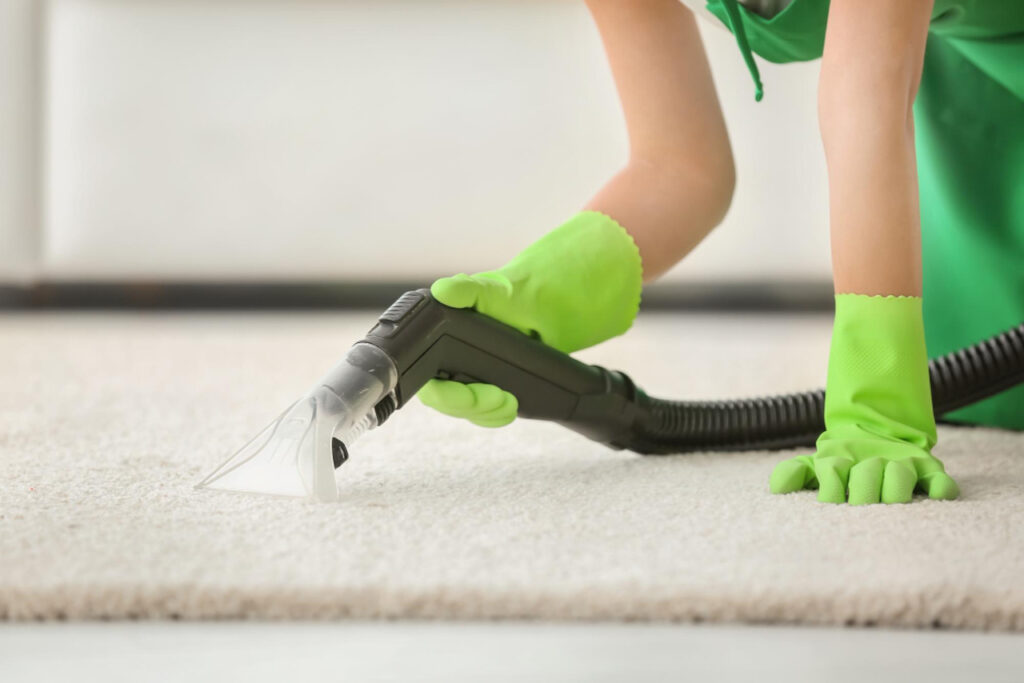
While vacuuming keeps carpets looking tidy, it only removes surface debris. Over time, microscopic particles, allergens, and oily residues build up within the fibres. This is where professional deep cleaning becomes essential.
Most experts, including the British Institute of Cleaning Science (BICSc), recommend scheduling professional carpet cleaning at least once every 12 months. However, this frequency can vary depending on several factors, including household size, pets, smoking habits, and environmental conditions.
For example:
- Households with children or pets: Every 6 months. Children and animals bring more dirt, hair, and bacteria into the home, so regular deep cleaning ensures hygiene.
- High-traffic areas (offices, hallways, living rooms): Every 3–6 months. Constant footfall grinds dirt into the carpet, wearing down fibres and causing discolouration.
- Low-traffic areas (bedrooms, guest rooms): Every 12–18 months may suffice, provided vacuuming is regular.
- Allergy sufferers: Every 3–4 months, as allergens and dust mites thrive in carpet fibres and can significantly impact air quality.
By aligning cleaning frequency with lifestyle needs, you can maintain both cleanliness and durability without unnecessary expense.
Rugs versus fitted carpets
Choosing the right cleaning method
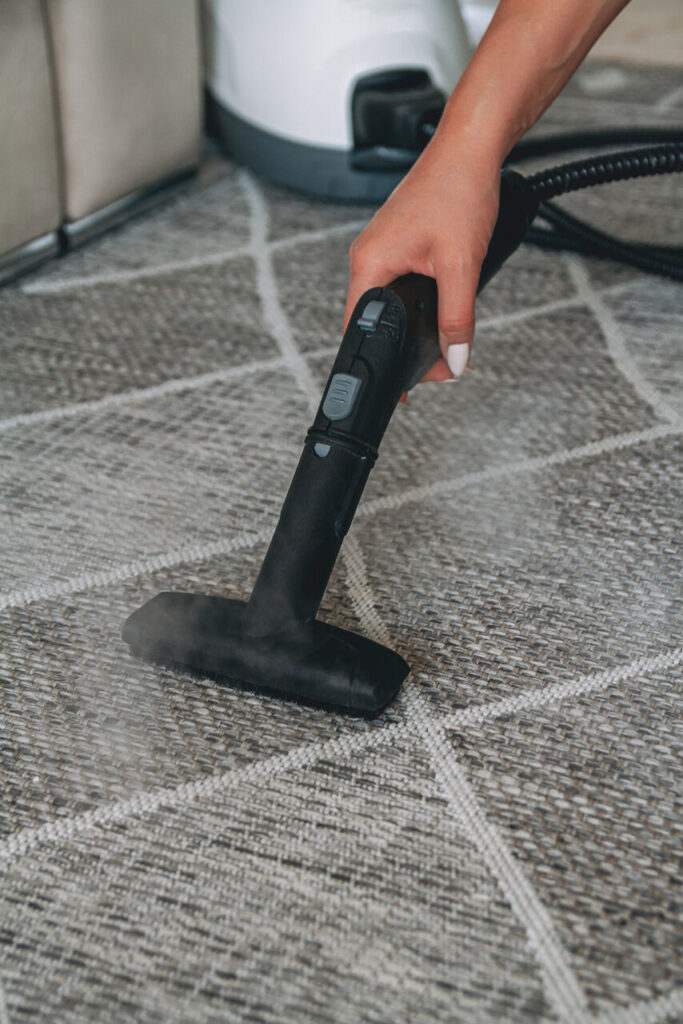
The effectiveness of carpet and rug cleaning depends heavily on the chosen technique. Not all methods are equal, and some may be better suited to specific fibre types or soiling levels.
The most common professional methods include:
- Hot water extraction (steam cleaning) – considered the most thorough approach, it uses pressurised hot water mixed with detergent to loosen and extract dirt. Ideal for synthetic fibres and most modern carpets.
- Dry cleaning – uses minimal moisture and specialised compounds to break down dirt. Suitable for delicate materials like wool or silk rugs.
- Encapsulation cleaning – a low-moisture method where cleaning polymers encapsulate dirt, which is then vacuumed away. Popular in commercial settings due to quick drying times.
Homeowners should consult professional cleaners before booking a service to ensure the chosen method matches the carpet type. Over-wetting or using harsh chemicals can cause shrinkage, fading, or residue buildup, which attracts more dirt in the long run.
Environmental and lifestyle factors that influence cleaning frequency
Health benefits of frequent carpet cleaning
Signs your carpet needs cleaning sooner
- persistent odours, even after vacuuming,
- noticeable dullness or discolouration in high-traffic areas,
- flattened or matted fibres that no longer spring back,
- increase in allergy symptoms or visible dust,
- spills or stains that reappear after spot cleaning.
How to extend the time between deep cleans
- Use high-quality doormats at entrances to trap dirt and moisture.
- Encourage guests and family members to remove shoes indoors.
- Vacuum regularly using a machine with a HEPA filter.
- Treat stains immediately to prevent them from setting.
- Use furniture coasters to prevent dents and wear marks.
Finding the balance between cleanliness and care
CLEANING 4 U CAMBRIDGE
Need help with cleaning?
Check out our commercial and home cleaning services. Choose professionals and choose quality!