Reducing Allergens and Respiratory Irritants
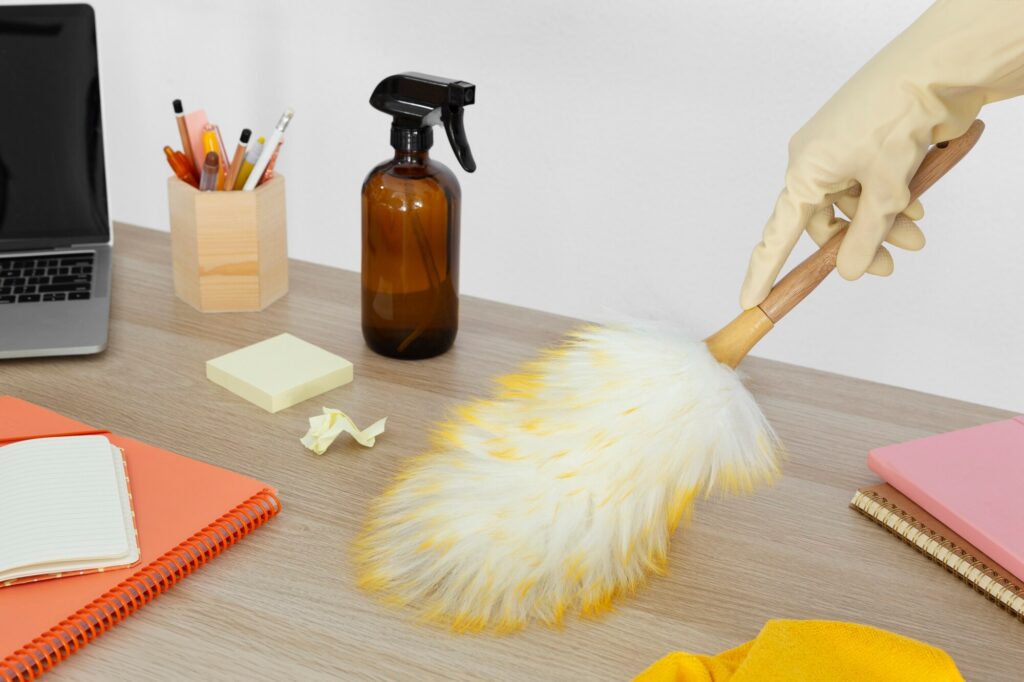
Dust, pet dander, mould spores and pollen are common allergens found inside homes. These microscopic particles can easily accumulate on surfaces, in carpets, and within soft furnishings such as curtains and upholstery. Without regular cleaning, they build up over time and become airborne, especially when disturbed by movement or airflow from fans and heating systems.
People suffering from asthma, hay fever or other respiratory conditions may experience aggravated symptoms in environments with high levels of allergens. Regular vacuuming with a HEPA filter, dusting, and washing fabrics can greatly reduce these irritants, leading to improved indoor air quality and reduced allergic reactions.
Preventing the Spread of Germs and Illness
Kitchen counters, bathroom surfaces, doorknobs, and remote controls are all hotspots for bacteria and viruses. From salmonella in the kitchen to cold and flu viruses in living areas, microbes can easily spread from one person to another through shared surfaces. If not regularly cleaned and disinfected, these germs can increase the likelihood of illness within the household.
A consistent cleaning routine that includes disinfecting high-touch areas helps reduce the spread of contagious diseases, especially during flu season or in times of viral outbreaks. Keeping surfaces hygienic is particularly important in households with young children, elderly residents, or individuals with compromised immune systems.
Mental Well-being and Stress Reduction
Pest Prevention and Home Hygiene
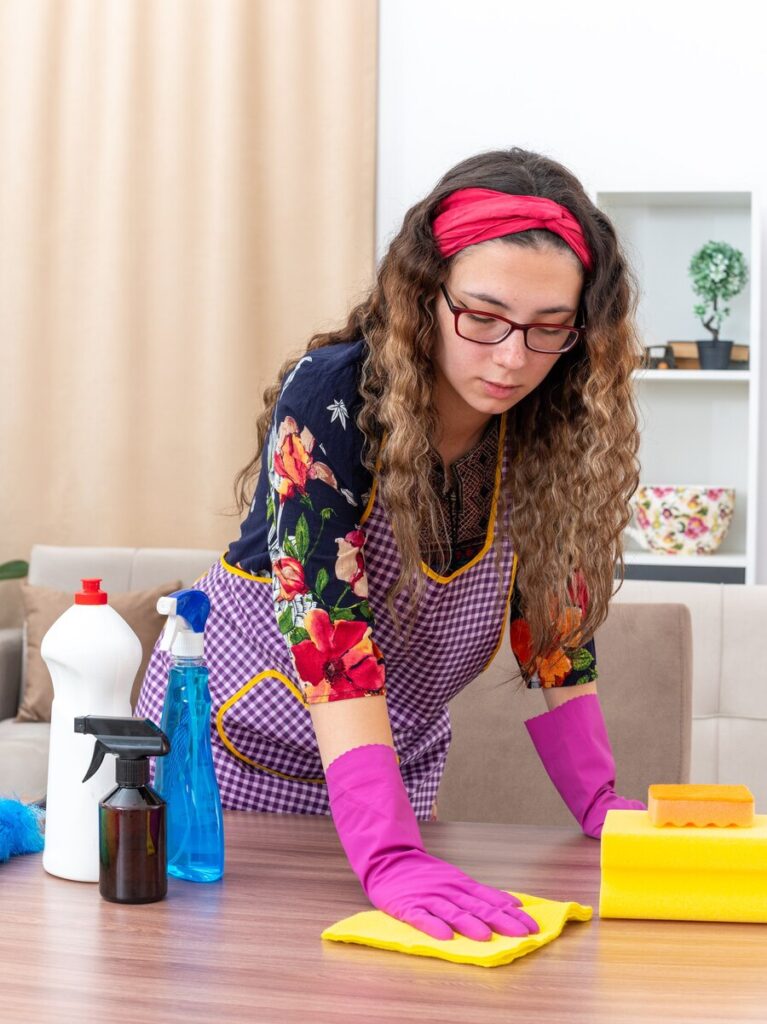
Crumbs, standing water, and piles of unwashed laundry can attract pests such as ants, cockroaches, rodents and even bedbugs. These unwelcome guests not only pose a hygiene risk but can also carry diseases, contaminate food supplies and damage property.
By maintaining cleanliness in areas like the kitchen, bathroom and storage spaces, households can minimise the risk of pest infestations. Regular vacuuming, wiping down surfaces, and proper food storage are all simple yet effective steps to prevent pests from settling in.
The Importance of Regularity
While a one-off deep clean may leave a house sparkling, the true health benefits of house cleaning come from consistency. Regular cleaning helps to maintain lower levels of dirt, dust and bacteria, preventing them from accumulating to harmful levels. Sporadic or infrequent cleaning allows problems to escalate, making them harder and more time-consuming to resolve later.
Establishing a routine—whether it’s daily tidying, weekly vacuuming, or monthly deep cleaning—helps keep the home in a constant state of cleanliness. This also makes the cleaning process less overwhelming, as small, regular efforts are often more manageable than tackling a large mess all at once.
CLEANING 4 U CAMBRIDGE
Need help with cleaning?
Check out our commercial and home cleaning services. Choose professionals and choose quality!