For millions of people, allergies are more than just a seasonal inconvenience. They are a year-round concern, often triggered not by outdoor pollen but by indoor allergens lurking in the very place we consider safest, our home. Dust mites, pet dander, mould spores and pollen particles can accumulate in carpets, upholstery, bedding and air ducts, causing sneezing, coughing, itchy eyes and even asthma flare-ups. That’s why house cleaning and allergies are closely connected, and learning how to clean in a way that effectively removes allergens can significantly improve your quality of life.
In this article, we’ll explore how allergens accumulate in your home, why conventional cleaning might not be enough, and most importantly, how to avoid allergens through effective house cleaning. Whether you or your loved ones suffer from hay fever, dust mite allergies, pet allergies or asthma, these practical strategies can help you create a cleaner, healthier indoor environment.
Understanding Indoor Allergens
Before diving into specific cleaning techniques, it’s important to understand what types of allergens are commonly found in homes. The most prevalent indoor allergens include dust mites, which thrive in mattresses, pillows and soft furnishings; pet dander, consisting of microscopic skin flakes from cats, dogs and other furry animals; mould spores, which grow in damp or poorly ventilated areas; and pollen, which can enter from outside through open windows, clothing or pets.
In addition to these, household cleaning products themselves can sometimes trigger allergic reactions or respiratory issues, especially those containing strong fragrances, ammonia or bleach. This creates a paradox: while cleaning is essential to remove allergens, it can also introduce irritants. Therefore, knowing how to clean with allergies in mind is crucial.
Establishing a Regular Cleaning Routine
Cleaning should become a routine part of your weekly schedule, focusing not only on visible surfaces but also on hidden areas where allergens accumulate. Skirting boards, underneath furniture, air vents and mattress seams are all common hiding places for dust and dander. By adopting a systematic approach to cleaning, you can prevent allergens from building up and triggering symptoms.
Choosing the Right Cleaning Tools and Products
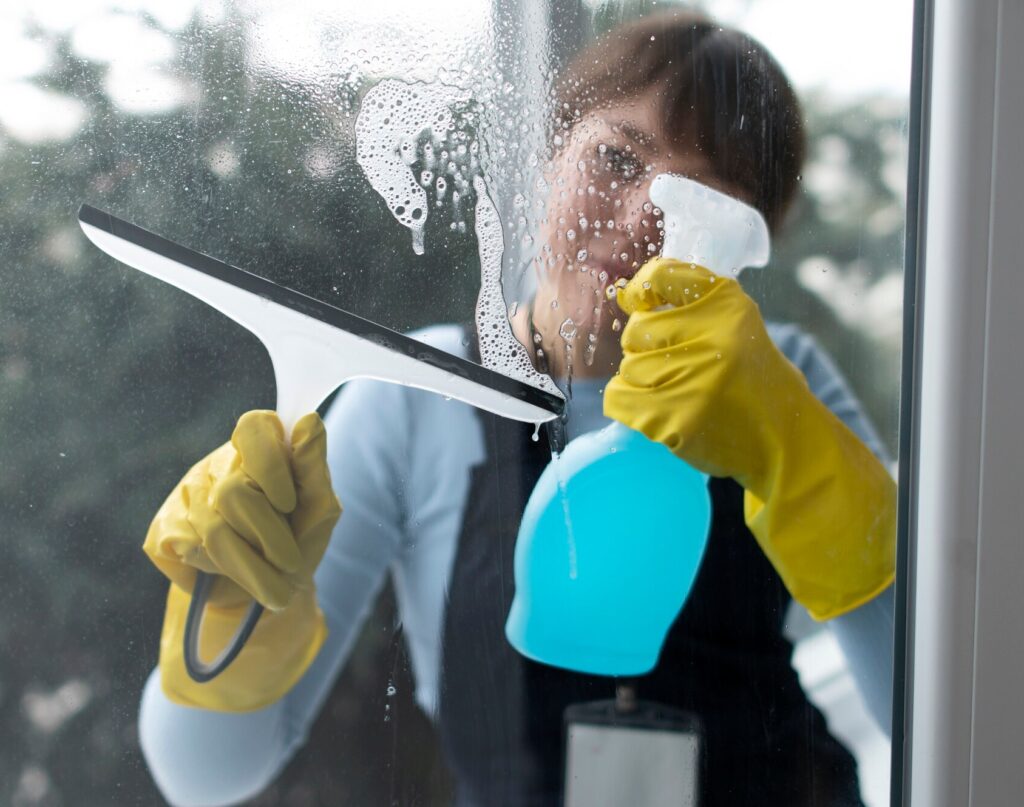
When dealing with household allergies, not all cleaning tools are created equal. Traditional feather dusters or dry cloths tend to stir up dust and spread allergens into the air rather than trapping them. Microfibre cloths, on the other hand, are ideal for allergen control. They attract and hold dust particles, preventing them from becoming airborne.
Vacuuming is also critical, but the type of vacuum cleaner you use makes a big difference. For allergy sufferers, it is highly recommended to use a vacuum with a HEPA filter (High-Efficiency Particulate Air). These filters are designed to trap 99.97% of particles as small as 0.3 microns, including dust mites, pet dander and pollen. Vacuuming all carpets, rugs and upholstery at least once or twice a week can significantly reduce allergen exposure.
When it comes to cleaning products, opt for hypoallergenic, fragrance-free or natural alternatives. Harsh chemical cleaners can trigger respiratory reactions and skin irritations. Vinegar, bicarbonate of soda and lemon juice are effective natural cleaning agents for many household surfaces. If you prefer commercial products, check labels for allergens and avoid those with added dyes or perfumes.
Tackling Specific Areas of the Home
Bedrooms
The bedroom is one of the most critical areas to clean when managing allergies, particularly because we spend up to a third of our lives sleeping. Mattresses, pillows and duvets are breeding grounds for dust mites. To combat this, wash all bedding weekly at a minimum of 60°C to kill mites and remove allergens. Use allergen-proof covers for pillows and mattresses to create a physical barrier.
Avoid heavy drapes and opt for washable blinds or curtains. Dust ceiling fans, light fixtures and baseboards regularly, as these are often overlooked. Consider replacing carpets with hardwood or laminate flooring, as they are easier to clean and less likely to harbour allergens.
Living Rooms
Living rooms often contain a mix of soft and hard surfaces, from sofas and cushions to bookshelves and electronics. Upholstered furniture should be vacuumed frequently using upholstery attachments, and washable cushion covers should be laundered regularly.
Electronics, television screens and entertainment units attract dust like magnets. Use anti-static cloths to clean them gently and avoid spreading particles. Consider removing or minimising decorative items that collect dust, such as knick-knacks, artificial plants and thick rugs.
Kitchens
Although kitchens may seem cleaner due to frequent wiping and scrubbing, they can still harbour allergens, particularly mould and mildew. Ensure your kitchen is well-ventilated to prevent condensation and moisture build-up. Clean sinks, taps, and backsplashes with an anti-mould solution, and regularly empty and clean the fridge, especially the rubber door seals.
Pay attention to extractor fans and cooker hoods, as grease and dust can accumulate and impair their function. Clean these filters regularly to ensure optimal air flow and to prevent the spread of cooking fumes and particles.
Bathrooms
Bathrooms are highly susceptible to mould due to humidity. To reduce allergens, dry off wet surfaces after use and keep shower curtains clean and mildew-free. Ventilation is key, use an extractor fan or open a window to remove excess moisture. Scrub tiles and grout weekly using anti-mould cleaners or natural alternatives like white vinegar.
Towels and bath mats should be washed frequently in hot water, and avoid cluttering the bathroom with unnecessary items that can collect dust and moisture.
Minimising Exposure While Cleaning
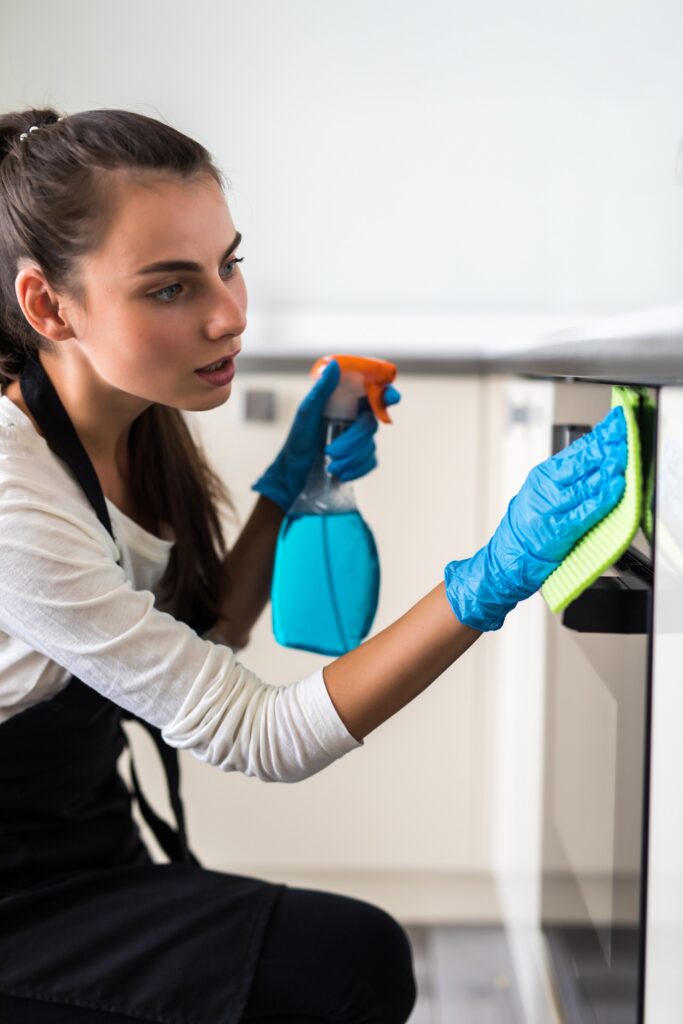
Ironically, cleaning can release allergens into the air, increasing short-term exposure. To minimise this, wear a face mask and gloves, especially when dusting or vacuuming. Keep windows open while cleaning to allow fresh air in and to ventilate the room. Clean top to bottom, start with higher surfaces like shelves and end with floors to ensure you capture falling dust.
It’s also advisable to take breaks during deep cleaning sessions and to leave the room for a while after completing tasks to allow any disturbed particles to settle.
Pet Owners and Allergens
If you share your home with a pet, managing allergens becomes even more important. Even hypoallergenic breeds produce dander. Regular grooming, ideally outdoors or by a professional, helps reduce shedding. Vacuum frequently and use lint rollers on fabric surfaces. Keep pets out of bedrooms and off beds, and consider using air purifiers with HEPA filters in shared living spaces.
Wash pet bedding weekly and clean floors and corners where fur may gather. Pet toys and collars should also be washed regularly to prevent dander build-up.
Long-Term Strategies for Allergy Prevention
While regular cleaning is essential, there are long-term changes you can implement to make your home less hospitable to allergens. Consider replacing carpets with smooth flooring, choosing leather or vinyl furniture over fabric, and investing in air purifiers. Maintaining indoor humidity below 50% also helps prevent mould and dust mite proliferation.
Installing high-quality filters in heating and air conditioning systems and changing them regularly can also reduce allergen circulation. De-cluttering your space makes cleaning easier and reduces the number of surfaces where dust can accumulate.
A Cleaner Home, a Healthier Life
House cleaning and allergies are deeply connected, and while allergens can never be entirely eliminated, their impact can be drastically reduced through mindful and consistent cleaning. Creating an allergen-aware cleaning routine doesn’t require expensive tools or complicated methods, just knowledge, consistency, and the right approach.
By focusing on allergen hotspots, choosing appropriate cleaning products and tools, and implementing long-term strategies, you can turn your home into a true haven, free from the particles that compromise your well-being. Whether you suffer from seasonal allergies, asthma or year-round sensitivities, prioritising allergen control through smart house cleaning is a powerful step towards a healthier, more comfortable life.
CLEANING 4 U CAMBRIDGE
Need help with cleaning?
Check out our commercial and home cleaning services. Choose professionals and choose quality!