
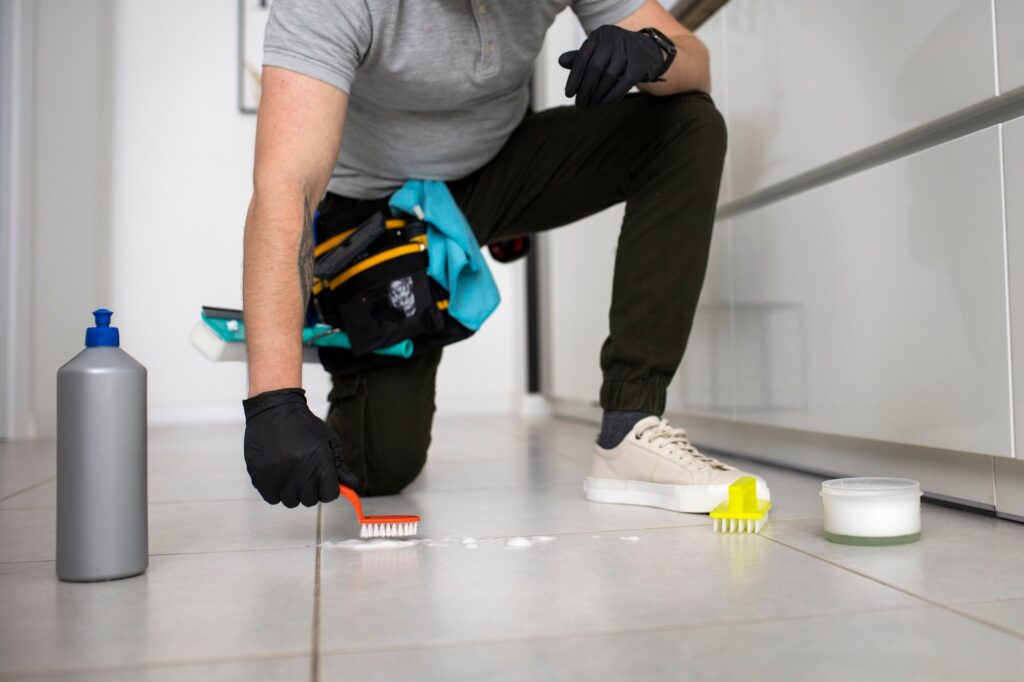
Why Post-Renovation Cleaning is so Important
Construction dust is not like ordinary household dust. It often contains a mix of materials including plaster, cement, wood fibres, silica, insulation fibres, and even toxic particles such as lead or asbestos (particularly in older buildings). These fine particles can remain airborne for hours, settle into ventilation systems, and embed themselves into carpets, upholstery, and hard-to-reach corners.
Exposure to such dust can lead to respiratory irritation, allergic reactions, headaches, and skin irritation. For people with asthma or other chronic respiratory conditions, the risks are even more serious. Additionally, fine dust can damage electronics, scratch delicate surfaces, and compromise indoor air quality if not removed thoroughly and correctly.
Step-by-Step: Removing Dust from Every Surface
The key to effective post-construction cleaning is patience, proper tools, and a methodical approach. This isn’t a task to rush through, as hasty efforts often result in dust being redistributed rather than removed.
Start by ventilating the space. Open windows and doors to allow fresh air to circulate and help carry airborne dust out of the room. It’s also wise to turn off central air systems during cleaning to prevent dust from spreading through vents.
Begin with dry dusting. Use microfibre cloths or electrostatic dusters to gently remove the top layer of dust from walls, ceilings, baseboards, and furniture. Avoid feather dusters, as they tend to stir dust rather than trap it.
Floors require special attention. Vacuum thoroughly with a vacuum cleaner fitted with a HEPA filter to ensure that fine particles are captured and not blown back into the air. For carpets and rugs, multiple passes may be necessary. Once vacuuming is complete, mop hard floors using warm water mixed with a gentle cleaning solution suitable for your floor type.
Don’t forget less obvious areas like light fittings, switches, behind radiators, vents, and blinds. Dust often hides in these spots and can quickly undo your cleaning efforts if left untouched.
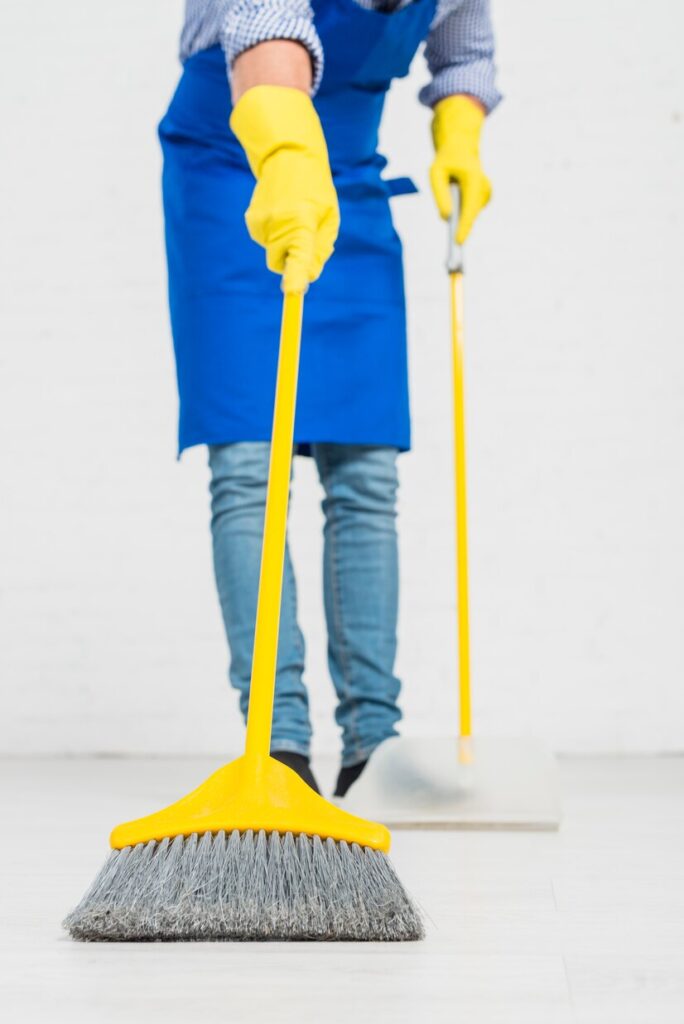
The Advantage of Hiring a Professional Cleaning Service
While it is possible to tackle post-renovation dust on your own, enlisting the help of a professional cleaning company offers a range of benefits — particularly for large-scale or particularly messy projects.
Professional cleaners are equipped with commercial-grade vacuums, high-performance air purifiers, and advanced tools designed specifically for deep cleaning after construction work. They follow structured protocols to ensure no area is missed, including difficult-to-reach corners and above-ceiling level surfaces that many homeowners overlook.
They also know how to handle delicate surfaces that may have been newly installed during the renovation, ensuring that materials like marble, hardwood, or freshly painted walls are cleaned gently and safely. More importantly, by hiring professionals, you reduce your own exposure to hazardous dust and save valuable time and effort.
Cleaning companies often work quickly and efficiently, restoring your home to a liveable condition far faster than you might be able to achieve on your own — all without compromising on the thoroughness of the process.
Post-Cleaning: Maintaining a Dust-Free Home
Once the initial deep cleaning is complete, it’s important to maintain cleanliness through regular upkeep. Even after the most thorough post-renovation clean, some dust may continue to settle for days or even weeks, especially if there are areas that were missed or if the air ducts were not cleaned. A follow-up clean a few days later can help ensure that lingering particles are finally removed.
It may also be wise to change your HVAC filters after a renovation and consider a professional duct cleaning if a large amount of dust has entered the ventilation system.
Removing construction dust is a vital step in the renovation process — one that ensures your freshly transformed space is not only beautiful but also healthy and safe. Thorough cleaning helps eliminate potential health risks, preserves the quality of your new interiors, and restores indoor air quality.
While diligent homeowners can tackle the task themselves with the right tools and approach, hiring a professional cleaning company often proves to be the most efficient and effective solution. Whether done solo or with expert help, addressing construction dust comprehensively is the final — and essential — chapter in every successful renovation story.
CLEANING 4 U CAMBRIDGE
Need help with cleaning?
Check out our commercial and home cleaning services. Choose professionals and choose quality!