
Content:
-
- A child’s developing immune system
- Germs in a nursery environment
- Health risks of poor hygiene in nurseries
- The connection between hygiene and learning
- Hygiene practices that make a difference
- The role of professional cleaning in nurseries
- Teaching children about hygiene
- Cleanliness, allergies, and indoor air quality
- Cleanliness as part of emotional wellbeing
- Parental trust and professional responsibility
- Striking the right balance
- A foundation for health and happiness
When parents choose a nursery for their child, they look for warmth, education, and safety, but one of the most fundamental factors, often taken for granted, is cleanliness. The early years of a child’s life are a period of rapid physical and cognitive development, yet their immune systems are still maturing. Nurseries, where many children interact closely in shared spaces, are natural breeding grounds for germs and infections. Maintaining exceptional hygiene standards in these environments is not just about appearance; it’s a matter of health, wellbeing, and even education.
A child’s developing immune system
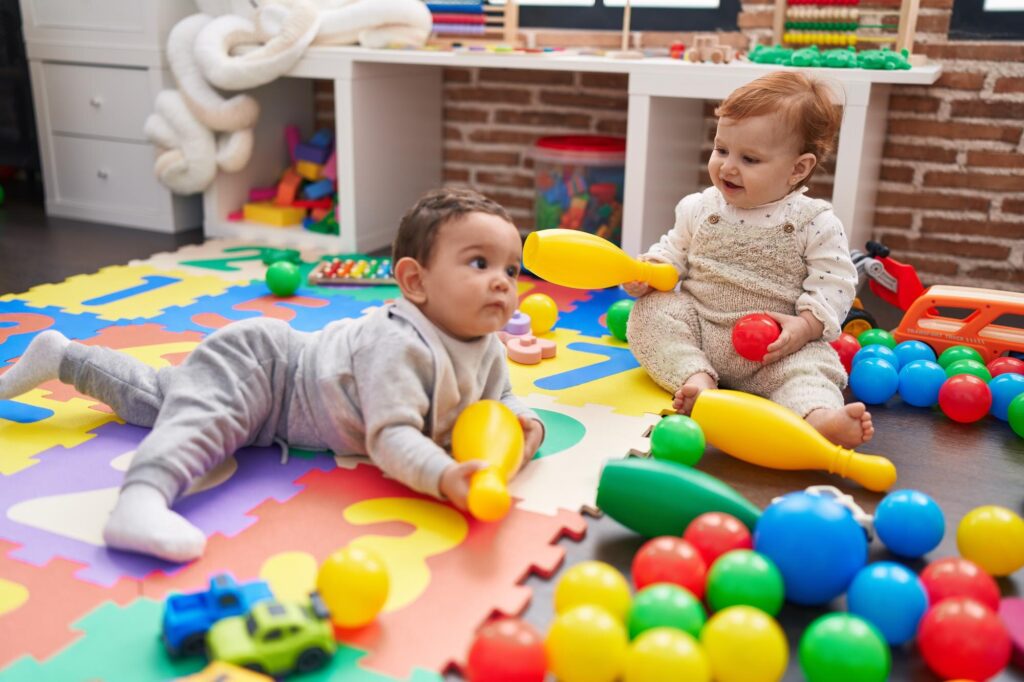
Children under the age of five are especially vulnerable to infections because their immune systems are still learning to recognise and fight off harmful bacteria and viruses. Unlike adults, they haven’t yet built up sufficient antibodies to protect them from common illnesses. In nurseries, this is compounded by constant exposure to new pathogens, each child bringing bacteria and viruses from their home environment into a shared space.
While some exposure to germs is beneficial for building immunity, excessive or unhygienic conditions can overwhelm a young child’s system. Without proper cleaning routines, a single outbreak of illness can spread rapidly, affecting not just children but also staff and families. Cleanliness, therefore, plays a critical preventive role, creating a healthy balance between natural immune development and protection from avoidable diseases.
Germs in a nursery environment
Nurseries are full of shared objects and surfaces, all of which can harbour germs. Toys, books, play mats, and art supplies pass through dozens of little hands every day. High-touch areas such as doorknobs, tables, toilets, and sinks accumulate bacteria quickly, especially when not disinfected regularly.
Children’s natural behaviour, curiosity, playfulness, and frequent hand-to-mouth contact, increases the likelihood of transmission. Unlike adults, children rarely follow hygiene rules like covering their mouths when sneezing or washing their hands properly. This makes nurseries ideal environments for viruses such as colds, flu, norovirus, or hand, foot, and mouth disease to spread.
To prevent this, nurseries must adopt cleaning protocols that go beyond surface-level tidiness. Professional cleaning and staff awareness are both crucial to ensuring a safe environment.
Health risks of poor hygiene in nurseries
Neglecting cleanliness in early years settings can have serious consequences. Beyond minor colds and coughs, inadequate hygiene can contribute to more severe illnesses and long-term health problems. The most common risks include:
- Respiratory infections, such as influenza, bronchitis, and pneumonia, which spread through contaminated air or surfaces.
- Gastrointestinal illnesses, including food poisoning and stomach viruses caused by bacteria like E. coli, Salmonella, or Norovirus.
- Skin infections, such as impetigo and ringworm, often passed through shared toys or contact surfaces.
- Allergies and asthma, triggered or worsened by dust, mould, or chemical residues from inappropriate cleaning products.
A lack of cleanliness can also lead to absenteeism among children and staff, disrupting learning and increasing operational challenges for nurseries.
The connection between hygiene and learning
Cleanliness doesn’t just protect children from illness, it directly impacts their ability to learn and thrive. Children who feel safe and comfortable in a clean environment are better able to focus on play and education. A well-maintained nursery promotes a sense of order and calm, which is especially important for young children adapting to structured routines for the first time.
Conversely, a dirty or cluttered space can cause anxiety or distraction. It also sends an indirect message about the level of care and respect within the setting. Clean, organised surroundings communicate safety, consistency, and attention to detail, values that are essential in early childhood development.
Hygiene practices that make a difference
Maintaining a hygienic nursery is not simply a matter of occasional cleaning; it requires a structured, proactive approach integrated into daily routines. Both staff and children play a part in maintaining cleanliness, supported by professional cleaning services and clear hygiene policies.
Essential hygiene measures include:
- Frequent disinfection of high-touch areas, including toys, tables, sinks, and toilets.
- Proper handwashing routines before meals, after outdoor play, and after toilet use, using warm water and soap.
- Ventilation to ensure fresh air circulation and reduce airborne germs.
- Safe food handling and preparation in compliance with health regulations.
- Regular laundry of bedding, aprons, and cleaning cloths to prevent bacteria buildup.
Using non-toxic and child-safe cleaning products is equally vital. Harsh chemicals can irritate young lungs and skin, negating the benefits of cleanliness. Eco-friendly cleaning solutions provide effective sanitation without exposing children to harmful residues.
The role of professional cleaning in nurseries
Even with diligent daily routines, nursery staff can only do so much during their working hours. Deep cleaning performed by trained professionals is essential to maintain long-term hygiene standards. Professional cleaning companies specialising in childcare environments understand the unique requirements of nurseries, from disinfecting toys and play areas to cleaning carpets and upholstery that absorb dust and allergens.
Professional services use commercial-grade equipment such as steam cleaners and HEPA-filter vacuums, which remove microscopic contaminants invisible to the naked eye. Regular deep cleaning schedules, whether weekly, monthly, or seasonally, ensure that even hard-to-reach areas remain hygienic.
Moreover, professional cleaners help nurseries comply with the UK’s Health and Safety Executive (HSE) and Ofsted guidelines, which require childcare providers to maintain safe, hygienic environments. Adhering to these standards not only protects children’s health but also builds trust with parents.
Teaching children about hygiene
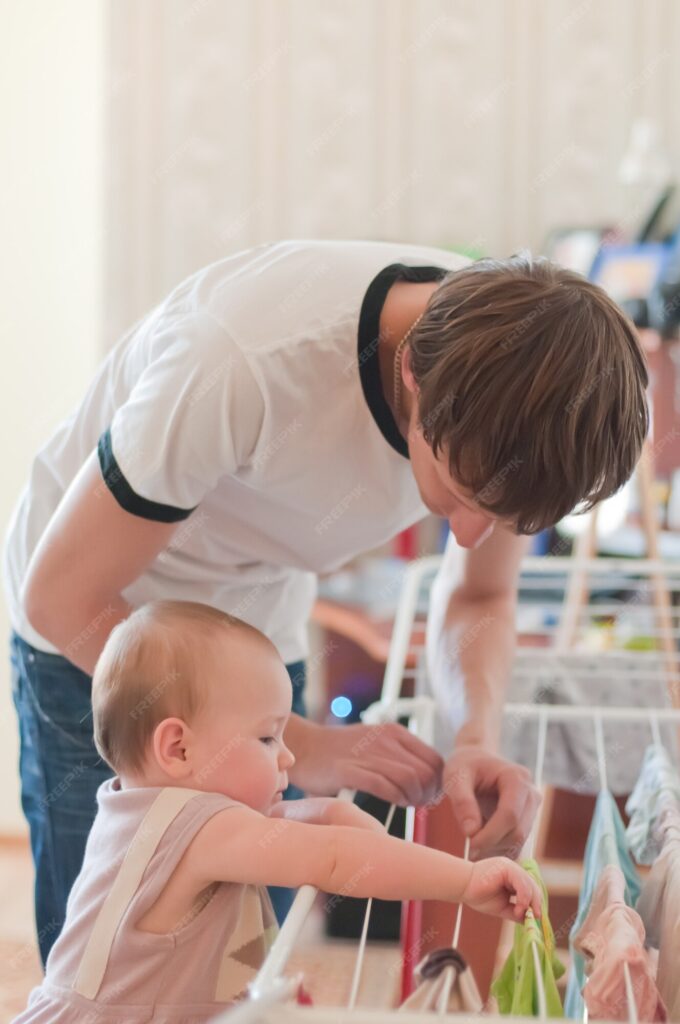
Cleanliness in nurseries is not solely the responsibility of adults. Early years education provides an ideal opportunity to introduce children to good hygiene habits that will benefit them for life. When cleaning and self-care are presented as fun, positive routines, children quickly adopt them as part of their daily behaviour.
Simple practices, such as handwashing songs, hygiene-themed storybooks, or interactive demonstrations, can teach children why cleanliness matters. Staff can reinforce these lessons by modelling proper hygiene themselves, washing hands frequently, wiping surfaces, and keeping their own areas tidy.
This approach has long-term benefits. Children who learn about hygiene in their formative years are more likely to carry those habits into school and beyond, reducing illness rates and improving overall wellbeing.
Cleanliness, allergies, and indoor air quality
Modern nurseries often rely on carpets, cushions, and soft furnishings to create warm and welcoming environments. However, these materials can trap dust mites, allergens, and pollutants that contribute to allergies and asthma. Poor ventilation and irregular cleaning exacerbate these problems, particularly in older buildings.
Maintaining good indoor air quality is therefore an essential part of nursery hygiene. Regular vacuuming with HEPA filters, combined with periodic deep cleaning of carpets and fabrics, can drastically reduce airborne irritants. Ventilating classrooms throughout the day, even briefly, also helps prevent the buildup of carbon dioxide and volatile organic compounds (VOCs) from cleaning products or paints.
A healthy atmosphere ensures children breathe cleaner air, supporting concentration, comfort, and long-term respiratory health.
Cleanliness as part of emotional wellbeing
Children are highly sensitive to their surroundings. Clean, well-maintained spaces promote a sense of stability and security, while messy or unkempt areas can cause unease. In a nursery, cleanliness reflects care, it shows that adults value the children’s comfort and respect their environment.
From an emotional standpoint, tidy and hygienic classrooms also support social development. Children learn to take responsibility for shared spaces by participating in simple tasks like tidying up toys or wiping tables. This fosters a sense of community and cooperation, teaching respect for others and their environment from an early age.
Parental trust and professional responsibility
For parents, a clean nursery is one of the clearest indicators of professionalism and quality care. When parents see spotless play areas, fresh-smelling rooms, and well-maintained facilities, they feel confident that their child’s wellbeing is prioritised.
In contrast, a visibly dirty or poorly maintained nursery raises immediate red flags. Parents may question the staff’s competence or the management’s commitment to health and safety. Given that childcare providers operate under strict regulations, maintaining hygiene isn’t optional, it’s a core responsibility.
Regular cleaning audits, documented cleaning schedules, and visible hygiene policies reassure both parents and inspectors that cleanliness is taken seriously.
Striking the right balance
It’s important to note that while cleanliness is crucial, nurseries shouldn’t strive for a completely sterile environment. Over-sanitisation can limit children’s natural exposure to harmless microbes, which play a role in developing healthy immune systems. The goal is balance, eliminating harmful pathogens while maintaining a natural, comfortable space where children can explore safely.
This balance is achieved through thoughtful cleaning practices that prioritise sanitation without overuse of chemicals. Natural cleaning products, combined with good ventilation and proper hygiene education, create environments that are both safe and nurturing.
A foundation for health and happiness
Cleanliness in nurseries goes far beyond appearances. It’s a cornerstone of children’s health, comfort, and development. By maintaining hygienic environments, nurseries protect young immune systems, prevent outbreaks, and foster habits that children will carry throughout their lives.
From routine disinfection to professional deep cleaning, every step contributes to creating a safe and inspiring space where children can learn and grow. Clean surroundings also build trust with parents, demonstrate professionalism, and comply with health regulations, all of which are essential in today’s childcare sector.
Ultimately, a clean nursery is a reflection of care. It’s a place where health, happiness, and learning coexist, proving that hygiene isn’t just a practical necessity, but a vital part of nurturing the next generation.
CLEANING 4 U CAMBRIDGE
Need help with cleaning?
Check out our commercial and home cleaning services. Choose professionals and choose quality!