
Content:
-
- Understanding the nature of post-construction mess
- Essential tools for after builders cleaning
- The importance of protective and safety equipment
- Cleaning products tailored for after builders cleaning
- Tackling dust – the invisible challenge
- Floor care after construction
- Window and glass cleaning
- Special attention to details
- Eco-friendly approaches in modern after builders cleaning
- The importance of professional expertise
- Tools and products that transform chaos into cleanliness
Understanding the nature of post-construction mess
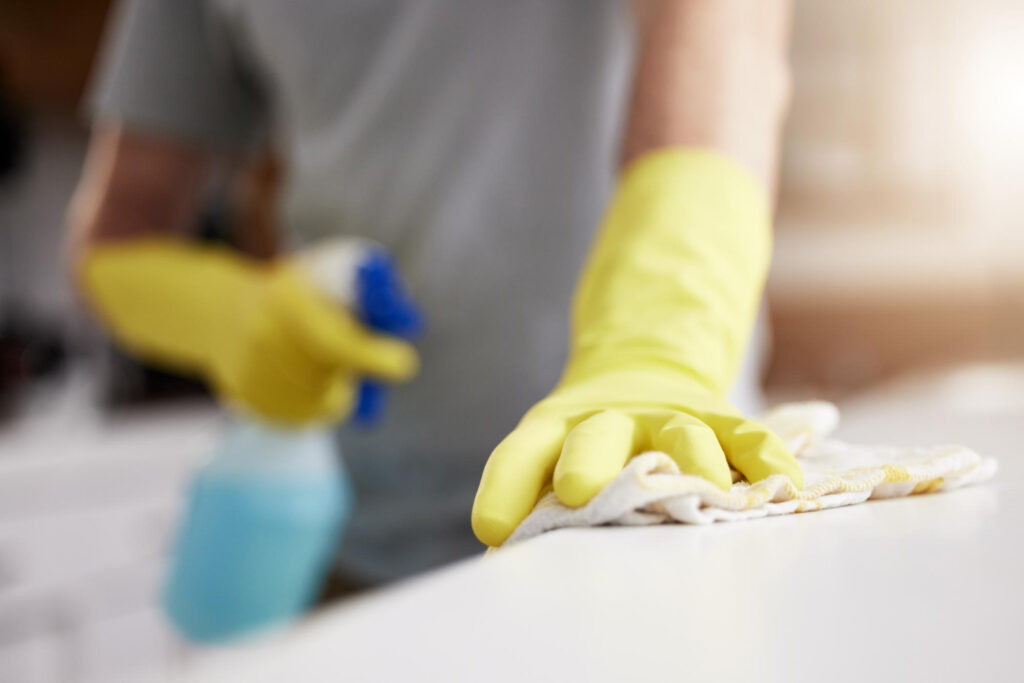
Before diving into the specific tools and cleaning agents, it’s worth understanding why after builders cleaning requires a unique approach. Unlike routine domestic or office cleaning, this type of work deals with industrial residues such as plaster dust, adhesive smears, dried cement, paint splatters, silicone, and even microscopic construction particles that settle on every surface.
These contaminants behave differently than ordinary household dirt. For example, fine dust from plaster or concrete tends to linger in the air long after the builders have gone, continually settling back on freshly cleaned surfaces. Paint and adhesive residues require solvents or specialised scrapers, while debris and sharp materials demand tools that can handle heavy-duty cleaning without damaging new surfaces.
Because of this complexity, after builders cleaning is performed in stages, from rough cleaning, which removes large particles and dust, to detailed finishing that restores full shine and hygiene. Each stage involves different tools and products suited to the task.
Essential tools for after builders cleaning
Professionals never approach a post-construction site with a single mop and a bottle of detergent. Instead, they arrive equipped with a full arsenal of devices designed to handle a wide range of cleaning challenges. The following tools are considered indispensable:
- Industrial vacuum cleaner. A standard household vacuum simply isn’t powerful enough to deal with the volume and density of construction dust. Industrial vacuums are equipped with HEPA filters that trap fine particles, preventing them from being recirculated into the air. They can also handle heavier debris such as wood chips or small stones.
- Microfibre cloths and mop systems. Microfibre is the material of choice for professionals because it traps dust rather than spreading it. It’s gentle on new surfaces but effective at removing fine residues. Flat mop systems with adjustable handles help reach tight corners and high areas.
- Extension poles and ladders. Post-construction cleaning often involves high ceilings, windows, and fittings. Telescopic poles with interchangeable attachments allow cleaners to dust and polish safely without excessive stretching or climbing.
- Scrapers and blades. Used carefully, scrapers remove paint splatters, adhesive residue, or cement without scratching surfaces. They’re particularly useful for glass and tiles.
- Steam cleaners. Ideal for sanitising and loosening tough dirt, especially in kitchens and bathrooms. Steam cleaning eliminates bacteria without the need for harsh chemicals.
- Wet and dry vacuum. This hybrid machine handles both liquid spills and dry dust, making it indispensable for the final stage of cleaning when floors may need to be washed and vacuumed simultaneously.
These tools together create a system that ensures every inch of the property is addressed, from walls and ceilings to skirting boards, sockets, and fixtures.
The importance of protective and safety equipment
After builders cleaning can expose workers to hazardous materials, including silica dust, paint fumes, and chemical residues. For this reason, personal protective equipment (PPE) is an integral part of the process. Gloves, goggles, respirators, and sturdy footwear prevent injuries and health risks.
Professional cleaners are also trained to identify potentially dangerous materials, such as old paint that might contain lead or areas where glass fragments are present. Proper protection not only ensures safety but also maintains professionalism and compliance with workplace regulations.
Cleaning products tailored for after builders cleaning
Choosing the right cleaning chemicals is as important as having the correct tools. While many household cleaners focus on fragrance or mild daily cleaning, after builders cleaning requires industrial-grade yet surface-safe products. The goal is to remove construction residues without damaging newly finished materials.
There are several categories of cleaning agents commonly used:
- Alkaline cleaners - effective against grease, adhesive, and general grime. Often used in kitchens or areas with stubborn residues.
- Acidic cleaners - designed to remove cement, limescale, and mineral deposits. These are powerful and must be used cautiously, especially on delicate surfaces such as marble or limestone.
- Neutral detergents - gentle formulas for regular washing of floors and walls once the heavy dirt is removed. Ideal for painted or varnished surfaces.
- Solvent-based cleaners - useful for removing paint, silicone, or glue. Because they can emit strong odours, proper ventilation and PPE are essential.
A professional after builders cleaning team will also rely on eco-friendly alternatives wherever possible. Modern biodegradable degreasers and non-toxic descalers offer strong cleaning performance without leaving harmful residues or fumes.
Tackling dust - the invisible challenge
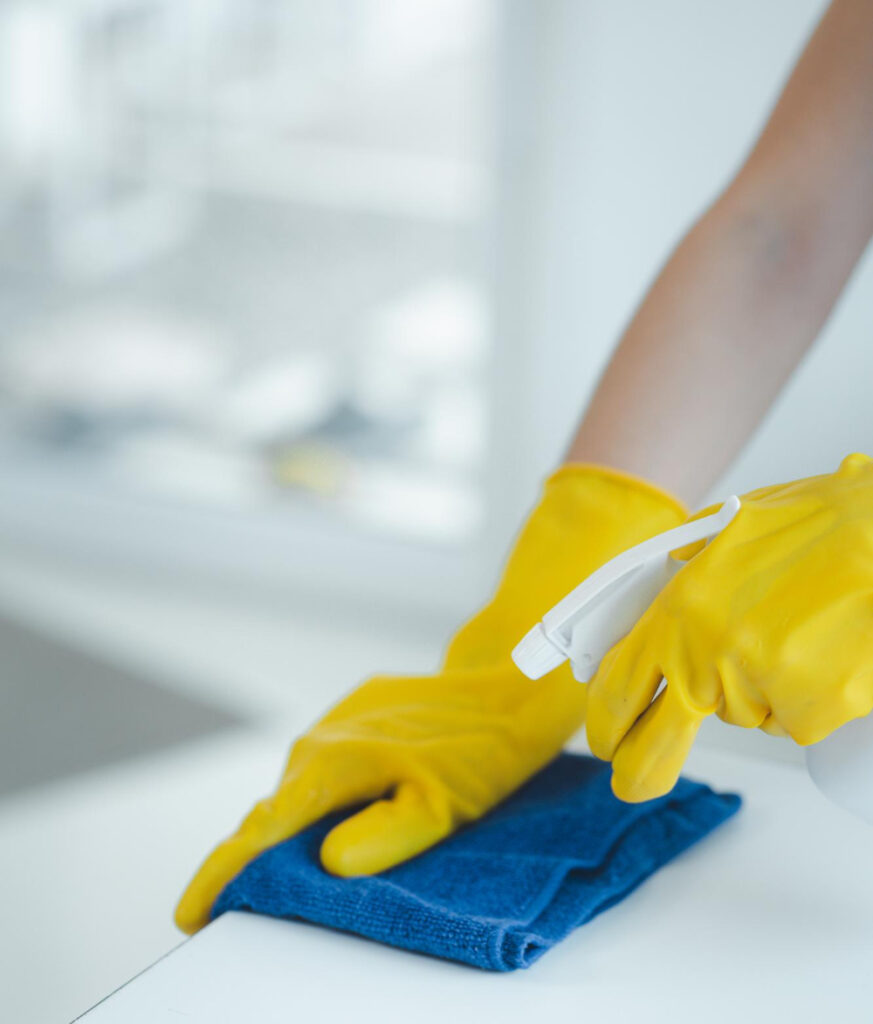
One of the greatest difficulties in post-construction cleaning is controlling dust. It doesn’t settle in one place; instead, it lingers in the air, hides behind sockets, and coats window frames, radiators, and ventilation grilles. The key to effective dust removal lies in a methodical, top-to-bottom approach.
Cleaning should always start from the highest points, ceilings, light fixtures, and ledges, before moving downward. This prevents freshly cleaned lower surfaces from being contaminated again. Using dampened microfibre cloths instead of dry dusters helps trap particles rather than disperse them. Industrial vacuums with HEPA filters are essential for the final pass to remove fine dust from carpets, upholstery, and crevices.
In large spaces, some professionals use air scrubbers or purifiers during and after cleaning to remove lingering airborne dust, improving indoor air quality significantly.
Floor care after construction
Floors bear the brunt of construction work, covered in plaster, paint, adhesive, and scratches. Each type of flooring demands a tailored approach. For instance, tiled floors require descaling solutions to remove cement haze, while wooden floors need gentle, pH-neutral cleaners that preserve their finish.
Vinyl and laminate floors can be cleaned using diluted neutral detergents and microfibre mops, but great care must be taken to avoid soaking joints with water. In the case of stone floors, professionals often use specific stone-safe products that maintain natural colour and sheen.
Once clean, applying a protective sealant or polish can prevent future staining and make ongoing maintenance easier.
Window and glass cleaning
No after builders cleaning is complete without spotless glass. Windows often bear the most visible signs of construction, paint flecks, cement splashes, and adhesive residue from protective films. Cleaning glass in these conditions requires precision and patience.
Professionals use a combination of scrapers, microfibre cloths, and streak-free glass cleaners. The technique is as important as the product: wiping in horizontal strokes indoors and vertical strokes outdoors helps detect any missed spots. For large or high windows, telescopic poles with squeegee attachments ensure safety and consistency.
Clean, streak-free glass not only enhances the appearance of the property but also allows natural light to showcase the results of the entire cleaning process.
Special attention to details
After builders cleaning is as much about detail as it is about efficiency. Small areas like door handles, sockets, skirting boards, and vents can make the difference between a “cleaned” property and a professionally finished one.
Professionals spend time inspecting and polishing every visible surface, often using cotton buds or small brushes for intricate areas. Stainless steel appliances are treated with polishers to restore their shine, while kitchen and bathroom fittings receive descaling treatment for a hygienic finish.
This attention to detail transforms a dusty construction site into a ready-to-use, inviting space.
Eco-friendly approaches in modern after builders cleaning
The cleaning industry is evolving, and so is after builders cleaning. Increasingly, companies are choosing sustainable methods and biodegradable cleaning agents to minimise environmental impact. Bamboo cloths, refillable spray bottles, and concentrated solutions reduce plastic waste.
Some teams also use steam cleaning instead of harsh chemicals to sanitise surfaces, offering a safe alternative for households with pets or allergies. This not only reduces the chemical footprint but also promotes better indoor air quality after the job is complete.
The importance of professional expertise
Tools and products that transform chaos into cleanliness
CLEANING 4 U CAMBRIDGE
Need help with cleaning?
Check out our commercial and home cleaning services. Choose professionals and choose quality!