
-
- Kitchens, the heart of the home and the source of conflict
- Bathrooms, breeding grounds for germs
- Rubbish and recycling, managing waste effectively
- Shared living spaces
- Bedrooms, personal responsibility and wider impact
- Laundry, avoiding mould and unpleasant odours
- Pests, consequences of poor hygiene
- Communication and shared responsibility
- The landlord’s role in maintaining hygiene
- Making shared living work
Shared houses, whether student accommodations, co-living spaces or rented homes with multiple tenants, offer affordability and social opportunities. They can, however, present significant challenges when it comes to hygiene. Unlike single-occupancy properties, shared living requires collaboration, responsibility and consistent effort from all residents. When hygiene is neglected, minor issues can quickly escalate into unpleasant living conditions, disputes among tenants and even health risks.
Maintaining hygiene in a shared house is not only about aesthetics. Cleanliness affects mental wellbeing, reduces the spread of illness and prevents infestations. Understanding the most common hygiene issues and taking steps to prevent them ensures that communal living remains a positive and comfortable experience.

Kitchens, the heart of the home and the source of conflict
Kitchens are often the centre of household disputes. Shared fridges overflowing with expired food, sinks stacked with dirty dishes and greasy surfaces are frequent complaints in communal living. Food left out on counters or in open containers attracts pests such as ants, flies and rodents. In addition, cross-contamination of food due to poor cleaning practices can pose health risks, particularly when raw meat is not stored or handled properly.
Prevention relies on clear agreements among housemates. Establishing a rota for cleaning and assigning responsibilities ensures that tasks are shared fairly. Labelling food items and setting rules about disposing of expired goods reduces the risk of unpleasant smells and contamination. Encouraging everyone to wash dishes immediately after use helps maintain a functional and hygienic space where all residents feel comfortable cooking and eating.
Bathrooms, breeding grounds for germs
Rubbish and recycling, managing waste effectively
Overflowing bins are not only unsightly but also a magnet for pests. In shared houses, waste management is often overlooked, with bins filling faster than in single-occupancy homes. Recycling can also become confusing if tenants are unsure of local collection rules, leading to contamination of recycling bins or missed collections.
Prevention involves setting clear rules about waste disposal. Tenants should agree on who takes responsibility for putting bins out on collection days and rotating this duty fairly. Using appropriately sized bins with lids prevents odours and keeps pests away. Clear labelling of recycling bins helps everyone understand what goes where, reducing mistakes and making waste management smoother for all.
Shared living spaces
Communal areas such as lounges or dining rooms can quickly become cluttered with personal belongings, takeaway containers or laundry. Dust, crumbs and spills accumulate on surfaces, attracting insects and making the space unwelcoming. Without clear responsibility for these areas, they often fall into neglect.
Preventing clutter requires mutual respect among tenants. Establishing shared rules about leaving personal items in common spaces helps keep them organised. Scheduling regular cleaning sessions, perhaps once a week, ensures that dust and dirt do not build up. Tenants may also agree to contribute to a household cleaning fund to cover supplies or even hire professional cleaners periodically to maintain standards.
Bedrooms, personal responsibility and wider impact
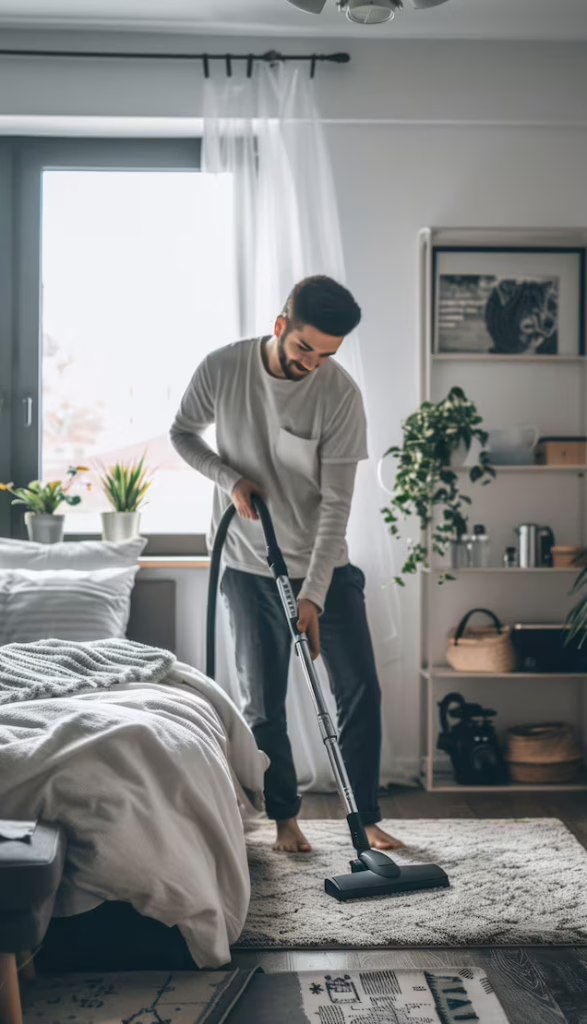
While bedrooms are private spaces, their hygiene can affect the whole household. Poor ventilation, infrequent cleaning and food stored in bedrooms can lead to odours, mould or pest infestations. These issues often spread beyond the individual room, impacting the rest of the property.
To prevent problems, tenants should be encouraged to ventilate their rooms daily, wash bedding regularly and avoid storing perishable food items in bedrooms. Routine cleaning of floors and surfaces minimises dust and allergens, creating a healthier environment for both the occupant and their housemates.
Laundry, avoiding mould and unpleasant odours
Shared laundry facilities can create hygiene challenges if not managed well. Damp clothes left in washing machines or hung around the house without adequate ventilation cause musty odours and mould growth. Disputes also arise when clothes are left in communal machines for too long, preventing others from using them.
Preventive measures include establishing rules for promptly removing laundry from machines and ensuring proper drying methods. Where possible, tenants should use outdoor lines or drying racks placed in well-ventilated areas. Regular maintenance of washing machines, such as cleaning filters and leaving doors open after use, prevents mould from forming inside appliances.
Pests, consequences of poor hygiene
Neglecting hygiene in shared houses often leads to infestations of pests such as ants, cockroaches, mice or even bedbugs. Once pests establish themselves, they are difficult and costly to eradicate, and infestations can damage the reputation of the property with future tenants.
Preventing pests requires vigilance. Sealing food properly, disposing of rubbish regularly and cleaning up crumbs and spills are essential. Landlords can also play a role by ensuring that properties are well maintained, with gaps or cracks sealed to prevent entry. Early reporting of any signs of infestation allows for prompt professional treatment before the issue escalates.
Communication and shared responsibility
Many hygiene issues in shared houses arise not from neglect alone but from miscommunication or differing standards of cleanliness among tenants. What one person considers acceptable may be unthinkable to another, leading to tension. Without a clear framework, shared spaces are at risk of becoming battlegrounds rather than comfortable living environments.
Preventing this requires open communication from the outset. New tenants should discuss expectations early and agree on a cleaning rota or guidelines. Posting a cleaning schedule in the kitchen or communal area provides a visual reminder of responsibilities. Respect and compromise are essential; if one tenant prefers higher standards, others may need to adapt slightly, while those with lower standards must recognise the impact on shared living.
The landlord’s role in maintaining hygiene
While tenants are responsible for day-to-day cleanliness, landlords and letting agents also play an important role in preventing hygiene issues. Providing adequate facilities, such as enough fridge space, functional washing machines and effective ventilation systems, makes it easier for tenants to keep the property clean. Regular inspections, conducted respectfully and with notice, allow landlords to identify problems early and remind tenants of their responsibilities.
Some landlords choose to include periodic professional cleaning in the tenancy agreement, particularly for properties with high turnover, such as student houses. This not only protects the property’s condition but also reduces disputes over deposits at the end of tenancies.
Making shared living work
Shared houses bring people together, but without attention to hygiene, they can quickly become stressful environments. Kitchens full of dirty dishes, bathrooms plagued by mould, overflowing bins and pest problems are among the most common issues. Fortunately, these challenges are preventable with clear communication, shared responsibility and simple routines.
By establishing cleaning rotas, agreeing on rules for food storage and waste disposal, and ensuring proper ventilation, tenants can maintain a clean, healthy and welcoming home. Landlords who provide adequate facilities and occasional professional cleaning further support this effort.
Ultimately, hygiene in shared houses is about respect, respect for one’s own health, for housemates and for the property itself. With cooperation and consistency, even the busiest communal household can remain clean, pleasant and harmonious, allowing tenants to enjoy the many benefits of shared living without the common pitfalls of poor hygiene.
CLEANING 4 U CAMBRIDGE
Need help with cleaning?
Check out our commercial and home cleaning services. Choose professionals and choose quality!