When it comes to maintaining a clean and hygienic home, the products we use can make a world of difference. For decades, chemical cleaning products have dominated supermarket shelves and household cupboards, offering powerful disinfecting properties and rapid results. However, in recent years, there has been a significant shift toward eco-friendly alternatives, driven by growing awareness of environmental concerns, health implications and sustainable living. As consumers, we are now more than ever faced with the question: which is better for your home, chemical or eco-friendly cleaning products?
This article explores both types of products in depth, weighing up their effectiveness, safety, cost, environmental impact and practical use in everyday cleaning. While there is no one-size-fits-all answer, understanding the pros and cons of each approach will help you make informed choices that align with your values and your household needs.
Effectiveness and Cleaning Power
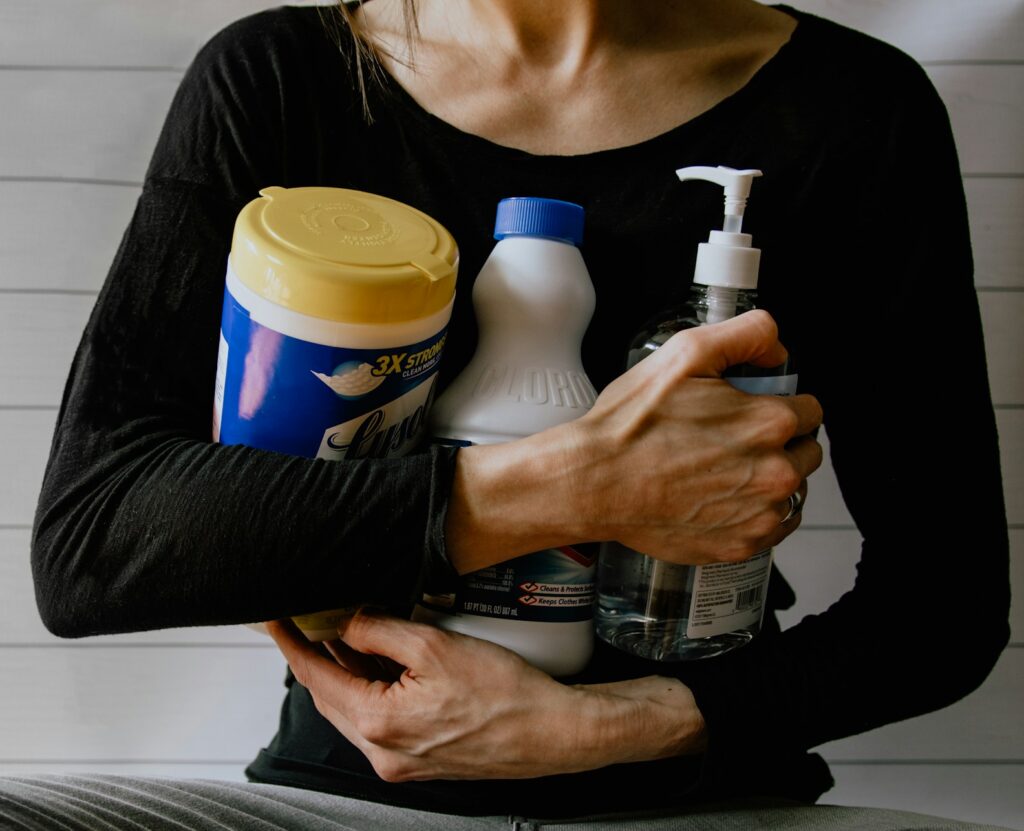
Chemical cleaning products have a long-standing reputation for being highly effective. Formulated with strong synthetic ingredients such as bleach, ammonia or hydrochloric acid, these products can eliminate tough grime, grease and bacteria with ease. In situations where sanitation is critical, such as kitchens, bathrooms or during illness outbreaks, their ability to disinfect surfaces thoroughly is often unrivalled.
Eco-friendly products, on the other hand, rely on natural ingredients such as vinegar, baking soda, citric acid and essential oils. While they may require a bit more elbow grease or longer contact time, they are often sufficient for everyday cleaning tasks. Many people find them perfectly adequate for surfaces that are not heavily soiled, and their formulations have improved dramatically over the years to enhance performance.
However, there remains a perception that green products are less powerful than their chemical counterparts, particularly in commercial or high-traffic environments. Some eco-brands now include disinfecting agents derived from plant sources, but users must always check labels carefully to ensure effectiveness in areas requiring deep sanitation.
Health and Safety Considerations
Overall, eco-products offer a lower risk profile for everyday cleaning and are better suited for use in homes where safety and non-toxicity are a priority. However, chemical cleaners may still be necessary in some situations, provided they are used correctly and stored safely.
Environmental Impact
One of the strongest arguments in favour of eco-friendly cleaning products is their reduced environmental impact. Traditional chemical cleaners often contain phosphates, chlorine and other substances that can enter waterways and disrupt ecosystems when washed down drains. Their packaging is also frequently non-recyclable or made from petroleum-based plastics.
Eco-friendly products are designed to break down more easily in the environment and are often produced using sustainable or recycled materials. Many come in biodegradable packaging or refillable containers to reduce waste. Additionally, green brands often prioritise ethical sourcing and low-carbon manufacturing processes, further contributing to their environmentally conscious profile.
Using chemical products in moderation and disposing of them responsibly can help mitigate some of their negative effects, but eco-friendly alternatives remain the more sustainable choice for long-term environmental health.
Cost and Accessibility
For many consumers, cost is a significant consideration. Conventional cleaning products are widely available and often cheaper, particularly in larger quantities. Supermarkets and discount retailers typically carry a broad selection of chemical cleaners at competitive prices.
Eco-friendly products, while increasingly popular, can be more expensive and harder to find in certain areas. Some premium green brands charge a higher price for their ethical and sustainable production standards, which may deter budget-conscious shoppers.
However, there are affordable DIY options for eco-conscious households, such as making cleaning sprays with vinegar, water and lemon juice. As demand grows, more affordable eco-friendly brands are appearing on the market, making green cleaning more accessible than ever.

Practical Considerations in Daily Use
in Daily Use
When choosing between chemical and eco-friendly products, practicality plays a key role. Chemical cleaners are often more convenient and faster-acting, making them a go-to for time-pressed households. Their long shelf life and specialised formulas (e.g., for oven cleaning, descaling or mould removal) can be particularly helpful.
Eco-friendly cleaners, meanwhile, offer peace of mind for those cleaning around food surfaces, children’s toys or pet areas. Many users appreciate the lack of overpowering chemical scents, opting instead for naturally fragranced or unscented products. However, some find that green products require more scrubbing or repeated applications to achieve the same results.
Adopting a hybrid approach, using chemical products when absolutely necessary and relying on eco-friendly alternatives for regular maintenance, is a common compromise that offers both effectiveness and sustainability.
Ultimately, the decision between chemical and eco-friendly cleaning products depends on your priorities, values and household circumstances. For those focused on maximum disinfection and convenience, chemical cleaners may still play a role, particularly in bathrooms or during seasonal deep cleans. For households concerned with health, safety and environmental impact, eco-friendly products present a compelling alternative.
Rather than choosing one over the other entirely, many people find success in creating a balanced cleaning routine that incorporates the strengths of both. By understanding what each type of product offers, you can make thoughtful decisions that protect your home, your loved ones and the planet. Whether you’re drawn to the powerful sanitising properties of traditional cleaners or the gentle, green touch of natural alternatives, the best cleaning solution is the one that aligns with your goals for a clean, healthy and sustainable home.
CLEANING 4 U CAMBRIDGE
Need help with cleaning?
Check out our commercial and home cleaning services. Choose professionals and choose quality!